The circular economy: what it means for Ghana's waste future
The circular economy is a simple idea with big implications. Instead of the traditional linear model of take, make, and dispose, a circular economy keeps materials in use for as long as possible, extracts maximum value from them while in use, then recovers and regenerates products at the end of their life. For Ghana, this shift could transform how we handle waste.
The problem with the linear model
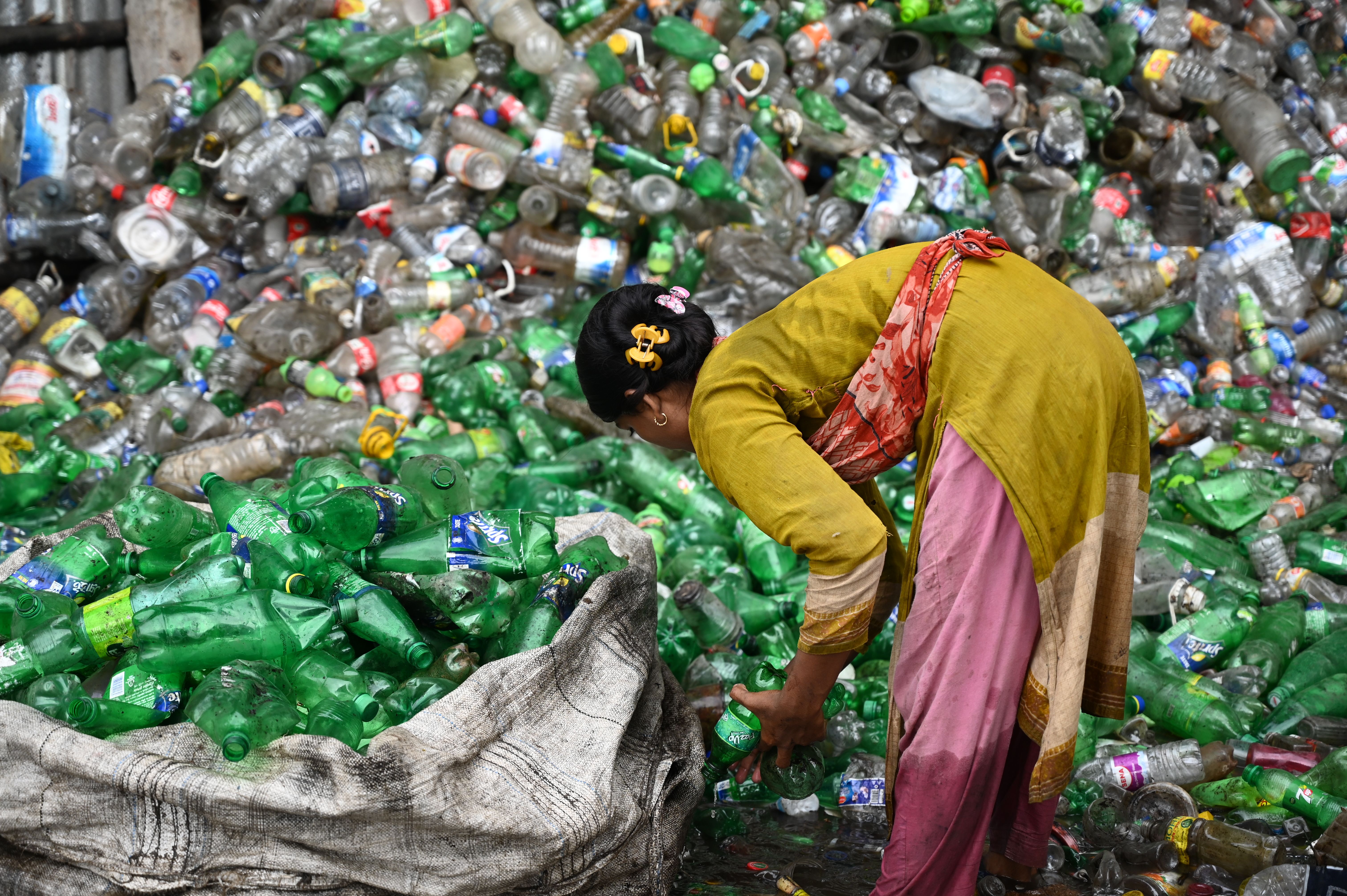
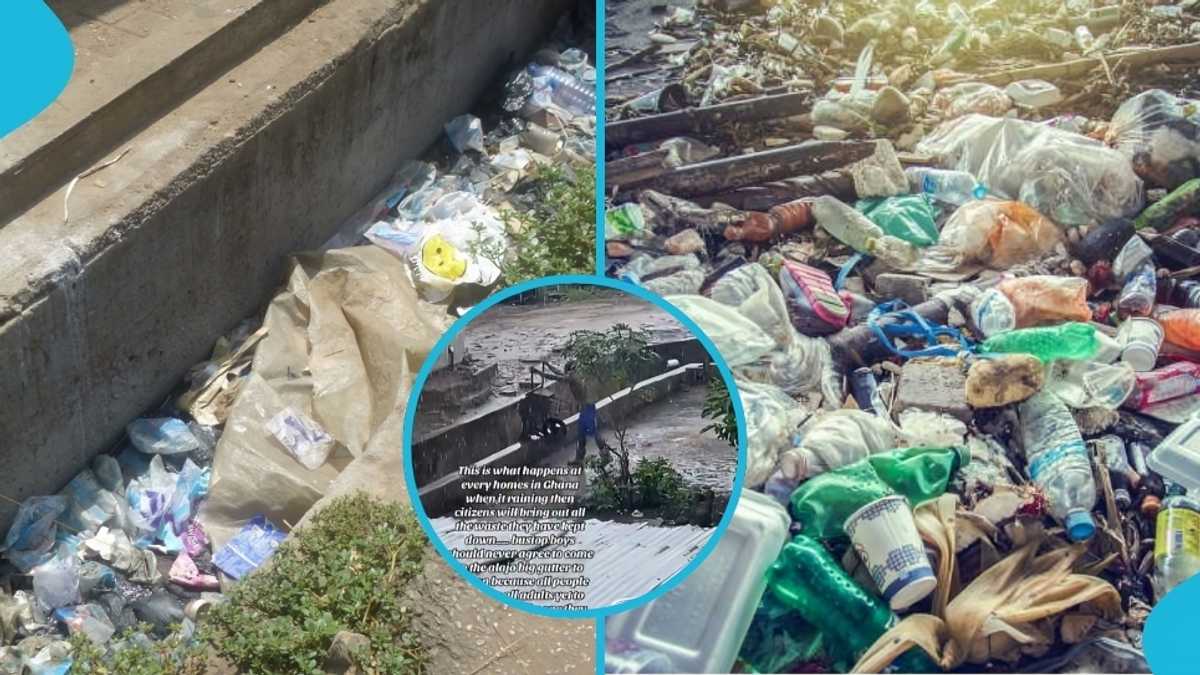
Ghana's current waste system is largely linear. Raw materials are extracted, products are manufactured, used, and then discarded. According to the African Circular Economy Network (ACEN), less than 10% of materials used in most African economies are circular. The rest becomes waste, much of it plastic that ends up in drains, rivers, and the ocean.
What a circular economy looks like
In a circular economy, waste is designed out from the start. Products are made to be reused, repaired, and recycled. Plastic bottles are collected, sorted, and processed into new bottles or other products. Organic waste is composted and returned to the soil. According to the Ellen MacArthur Foundation, transitioning to a circular economy could generate $4.5 trillion in economic output globally by 2030.
Ghana's circular economy opportunity
Ghana is well-positioned to benefit from the circular economy transition. The country already has a thriving informal waste sector, with thousands of collectors, sorters, and aggregators. Formalising and scaling this sector, as WasteCure is doing in Kwabre East, could create thousands of green jobs while significantly reducing environmental pollution.
The role of communities
The circular economy is not just about technology or policy. It is about people. Households sorting their waste, businesses choosing recyclable packaging, schools teaching children about materials, and communities coming together for clean-ups. Every action contributes to the system. WasteCure is building that system in Kwabre East, one collection at a time.
Sources and references
This article is based on the following sources. We encourage you to read them for more detail.
- African Circular Economy AllianceAfrican Circular Economy Network (ACEN)
- Towards the circular economy: Economic and business rationaleEllen MacArthur Foundation
- Ghana National Plastic Action PartnershipWorld Economic Forum
Want to take action?
Request a pickup, partner with us, or get in touch - we would love to hear from you.
Related articles
All articles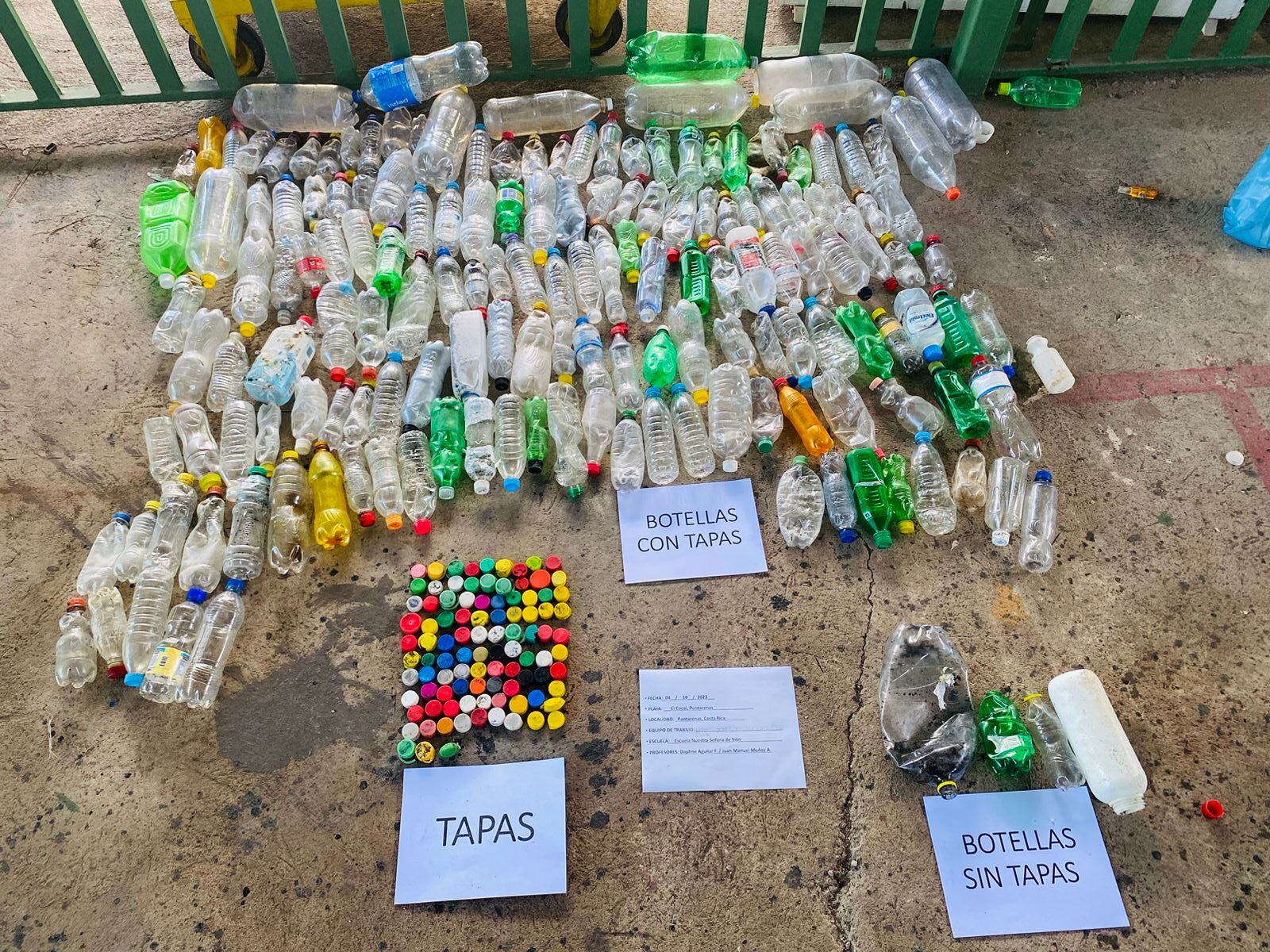 Tips
TipsHow to sort your plastic at home: a practical guide for Ghana
Not all plastic is the same. Learn the difference between PET, HDPE and LDPE, and how to sort them so they actually get recycled.
 Education
Why burning plastic is not the answer: health and environmental impacts
Many households burn plastic to get rid of it. Here is what that smoke does to your health and the environment, and what to do instead.
 Education
Plastic pollution in Ghana: 7 facts you should know
How much plastic does Ghana produce? Where does it end up? We break down the numbers behind the country's plastic waste challenge.