Why burning plastic is not the answer: health and environmental impacts
Burning plastic waste is a common practice in many Ghanaian communities, particularly in areas without formal collection services. But it comes with serious hidden costs. When plastic burns, it releases toxic chemicals including dioxins, furans, polychlorinated biphenyls (PCBs), and heavy metals into the air you breathe.
Health impacts
According to the World Health Organisation (WHO), exposure to smoke from burning plastic is linked to respiratory problems, skin conditions, eye irritation, and long-term illnesses including cancer. Children, who are often nearby when waste is burned, are especially vulnerable. A study published in the Lancet Planetary Health found that indoor and outdoor air pollution, including from waste burning, contributes to millions of premature deaths globally each year.
Environmental damage
Burning plastic also harms the environment. The toxic chemicals released settle into soil and water, contaminating food sources. Black carbon, a byproduct of incomplete combustion, is a powerful climate forcer that contributes to global warming. The Ghana Environmental Protection Agency has identified open burning of waste as a significant source of air pollution in urban areas.
The alternative
The alternative is simple: collect your plastic and bring it to a designated collection point. WasteCure provides a responsible land space for plastic waste in Kwabre East. No burning, no dumping, no harm to your family. If your community currently burns waste, talk to us about setting up a regular collection arrangement.
Sources and references
This article is based on the following sources. We encourage you to read them for more detail.
- Household air pollution and healthWorld Health Organisation (WHO)
- Health and environmental impacts of open waste burningThe Lancet Planetary Health
- Air quality in GhanaGhana Environmental Protection Agency
Want to take action?
Request a pickup, partner with us, or get in touch - we would love to hear from you.
Related articles
All articles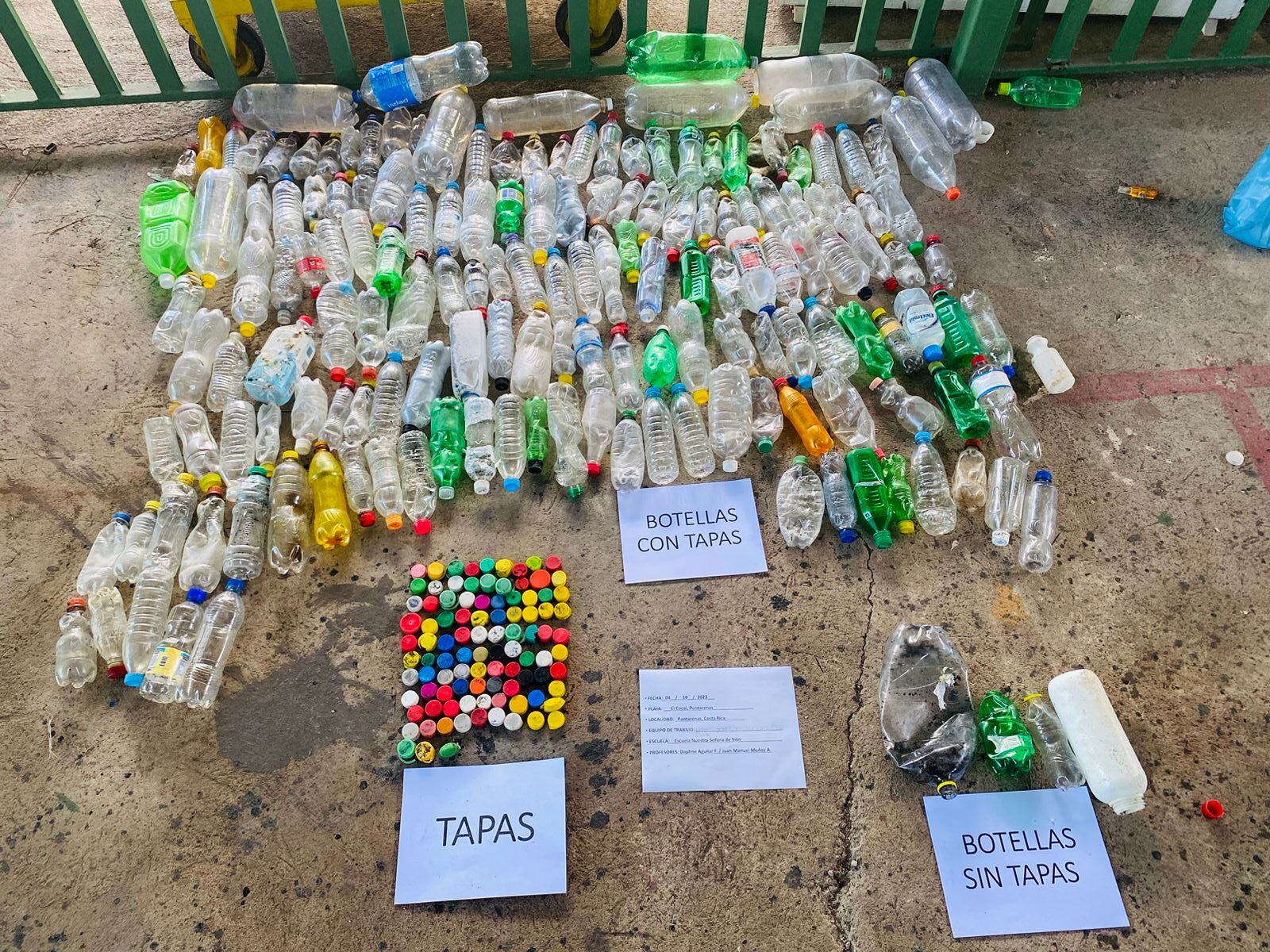 Tips
TipsHow to sort your plastic at home: a practical guide for Ghana
Not all plastic is the same. Learn the difference between PET, HDPE and LDPE, and how to sort them so they actually get recycled.
 Education
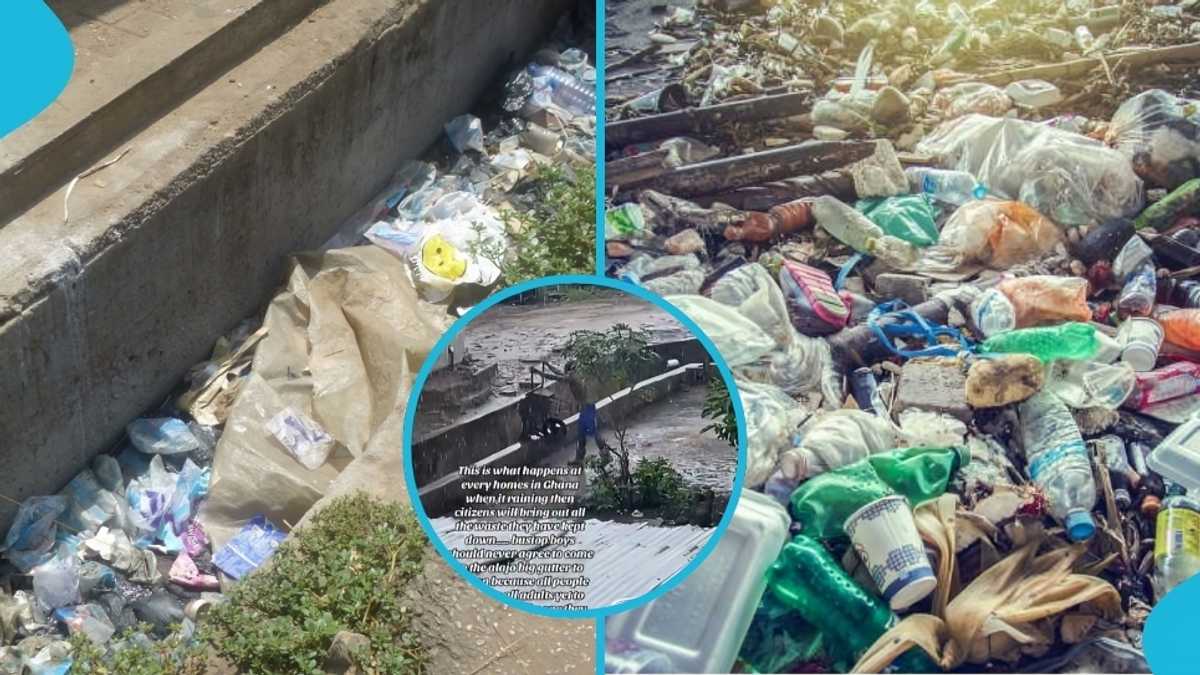
Plastic pollution in Ghana: 7 facts you should know
How much plastic does Ghana produce? Where does it end up? We break down the numbers behind the country's plastic waste challenge.
 Tips
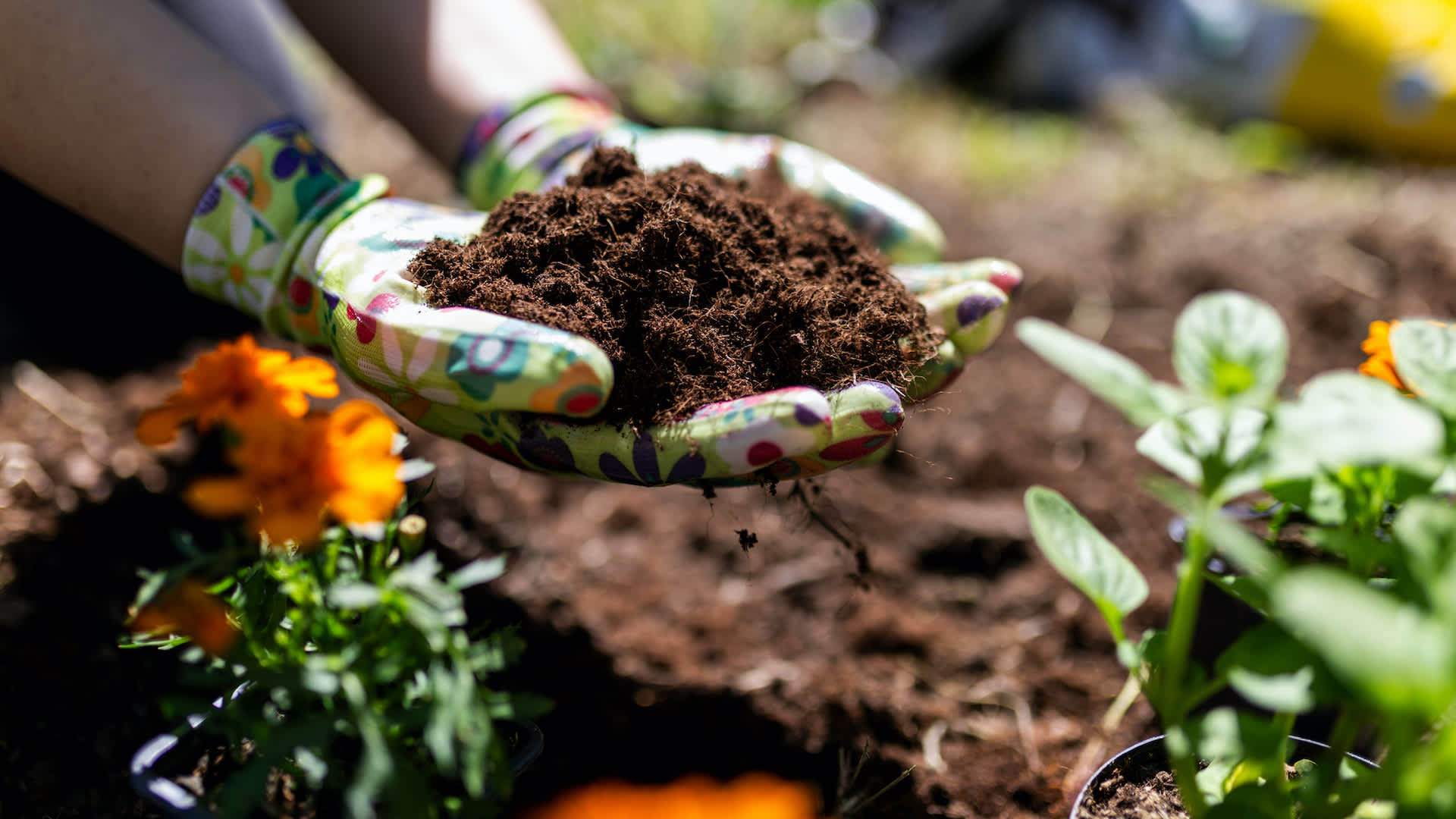
TipsComposting at home: turn your food waste into garden gold
Beyond plastic, organic waste is a huge part of what households throw away. Here is how to start composting in a small space in Ghana.