How to sort your plastic at home: a practical guide for Ghana
Plastic waste is one of the biggest environmental challenges in Ghana. According to the United Nations Environment Programme (UNEP), Ghana generates approximately 1.7 million tonnes of plastic waste each year, of which only about 5% is recycled. The good news is that a little sorting at home makes a huge difference: properly sorted plastic is far more likely to be recycled than mixed waste.
The seven plastic types
Plastics are categorised by resin identification codes (RIC) from 1 to 7. The three most common types you will encounter at home are PET (code 1, used for water and drink bottles), HDPE (code 2, used for milk jugs and detergent bottles), and LDPE (code 4, used for plastic bags and film). Each type is recycled differently, so sorting them matters. The code is usually stamped on the bottom of the container inside a triangle of arrows.
Setting up a home sorting system
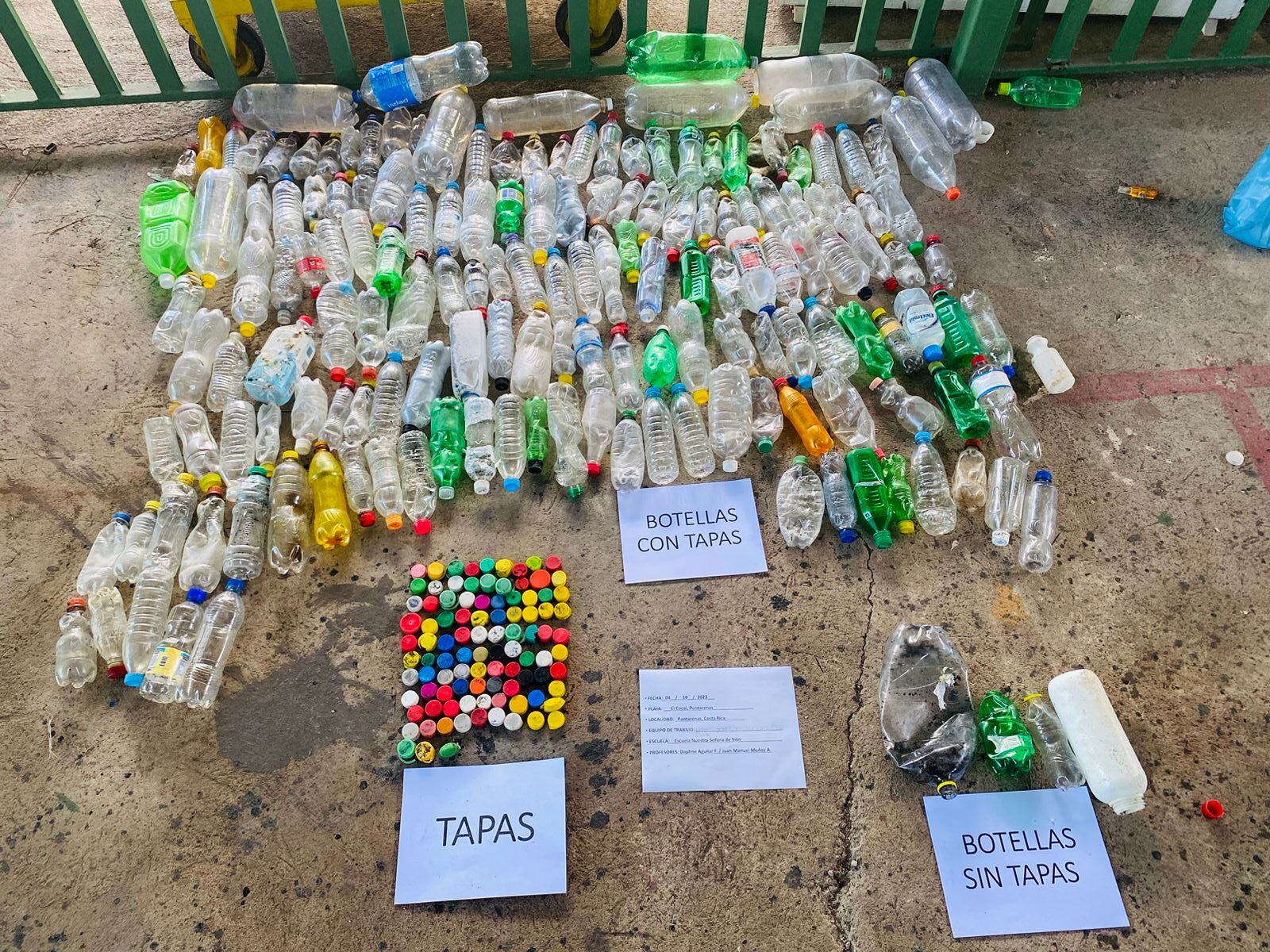
Start with three simple bins or sacks at home: one for PET bottles, one for HDPE containers, and one for soft plastics (LDPE). Rinse out bottles before storing them. Clean plastic is worth more to recyclers and avoids attracting pests. According to a report by the Ghana Plastic Waste Management Policy, proper sorting at source can increase recycling rates by up to 40%.
What happens after collection
Once your sacks are full, bring them to a WasteCure drop-off point in Kwabre East, or request a pickup. The plastic is then sorted further, baled, and sent to recycling off-takers who process it into new products. This closed-loop system is what keeps plastic out of drains, gutters and landfills.
Common mistakes to avoid
Do not mix plastic types in the same bag if you can help it. Do not leave caps on bottles unless they are the same plastic type. Do not recycle plastic that has food residue; rinse it first. And do not assume that all plastic with a recycling symbol is accepted. Check with your local collector about which types they take.
Sources and references
This article is based on the following sources. We encourage you to read them for more detail.
- Ghana Plastic Waste Management PolicyEnvironmental Protection Agency, Ghana
- Single-use plastics and the path to a circular economy in GhanaUNEP
- Plastic waste management in Ghana: a reviewScienceDirect (Journal of Environmental Management)
Want to take action?
Request a pickup, partner with us, or get in touch - we would love to hear from you.
Related articles
All articles Education
Why burning plastic is not the answer: health and environmental impacts
Many households burn plastic to get rid of it. Here is what that smoke does to your health and the environment, and what to do instead.
 Education
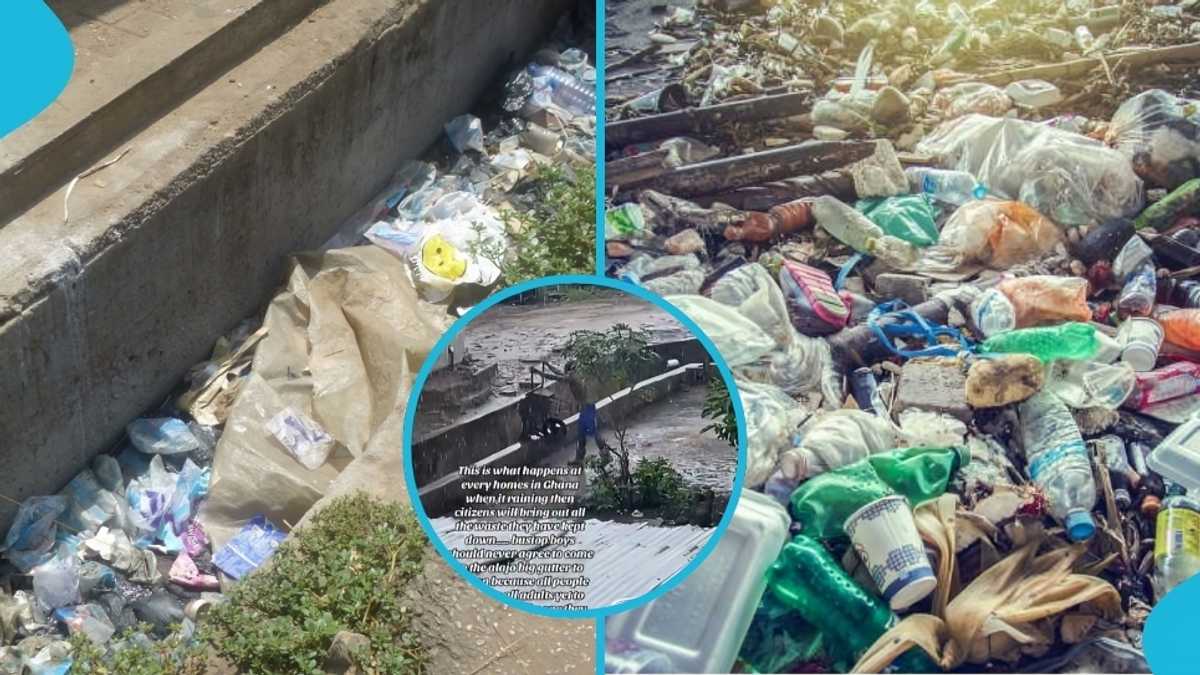
Plastic pollution in Ghana: 7 facts you should know
How much plastic does Ghana produce? Where does it end up? We break down the numbers behind the country's plastic waste challenge.
 Tips
TipsComposting at home: turn your food waste into garden gold
Beyond plastic, organic waste is a huge part of what households throw away. Here is how to start composting in a small space in Ghana.