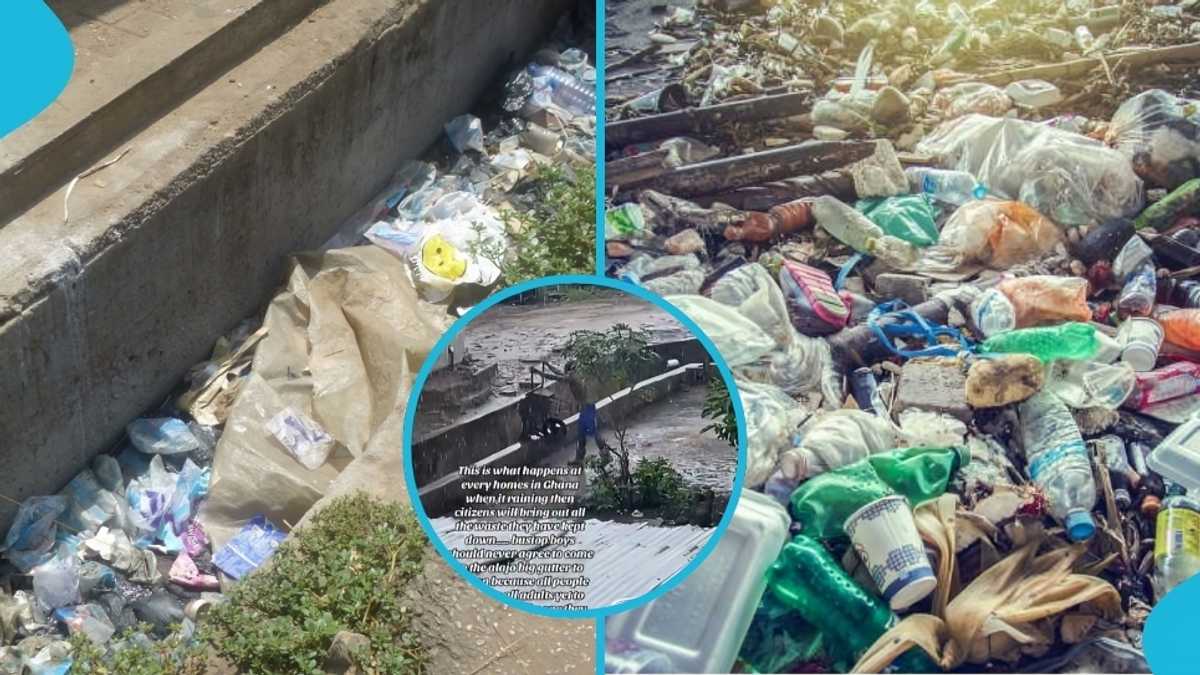
Plastic pollution in Ghana: 7 facts you should know
Plastic pollution is one of Ghana's most visible environmental problems. From choked gutters in Accra to plastic-lined beaches in Cape Coast, the scale of the challenge is clear. But behind the visible waste are some important numbers that help explain why action is so urgent.
1. Ghana generates over 1.7 million tonnes of plastic waste annually
According to UNEP, Ghana generates approximately 1.7 million tonnes of plastic waste each year. Of this, only about 5% is currently recycled. The remainder ends up in landfills, drains, waterways, or is burned.
2. Only 5% of plastic is recycled
A report by the World Bank found that Ghana's recycling rate is among the lowest in West Africa. The vast majority of plastic waste is not collected or processed, despite the existence of a growing recycling industry.
3. Ghana is a top contributor to ocean plastic in Africa
Research published in Science Advances identified Ghana among the top African countries contributing to ocean plastic pollution. The Volta and Ankobra rivers are among the rivers carrying the most plastic to the sea, according to a study by The Ocean Cleanup.
4. Plastic blocks drains and causes flooding
During the rainy season, plastic waste clogs gutters and drainage systems across Ghanaian cities. The Ghana Meteorological Agency and the National Disaster Management Organisation (NADMO) have linked plastic-choked drains to repeated flooding in Accra, Kumasi and other urban centres.
5. The economic cost is significant
A World Bank study estimated that the cost of environmental degradation in Ghana amounts to approximately 10% of GDP. Plastic waste management, flooding damage, and health impacts from burning all contribute to this cost.
6. Recycling creates jobs
Despite the low recycling rate, Ghana's informal waste sector employs thousands of people who collect, sort and sell recyclable materials. Formalising and expanding this sector, as WasteCure is doing in Kwabre East, could create thousands more green jobs.
7. Change is possible
Communities across Ghana are taking action. From municipal bans on single-use plastics to community clean-ups and recycling enterprises like WasteCure, the momentum is building. Every kilogram of plastic diverted from the environment is a step toward a cleaner Ghana.
Sources and references
This article is based on the following sources. We encourage you to read them for more detail.
- Ghana State of the Environment ReportUNEP
- What a Waste 2.0: A Global Snapshot of Solid Waste Management to 2050World Bank
- More than 1000 rivers account for 80% of global riverine plastic emissionsScience Advances (The Ocean Cleanup)
- The cost of environmental degradation in GhanaWorld Bank
Want to take action?
Request a pickup, partner with us, or get in touch - we would love to hear from you.
Related articles
All articles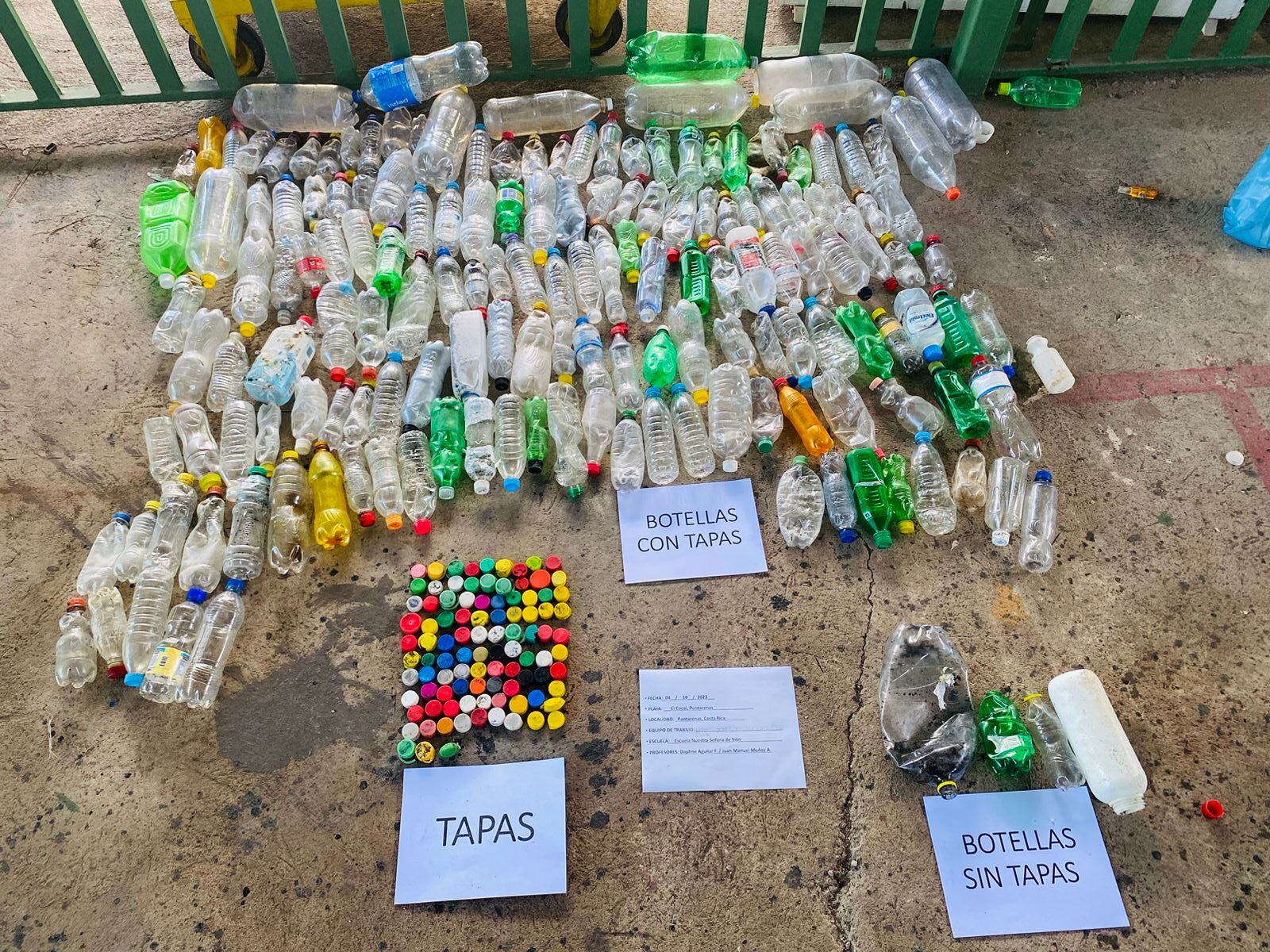 Tips
TipsHow to sort your plastic at home: a practical guide for Ghana
Not all plastic is the same. Learn the difference between PET, HDPE and LDPE, and how to sort them so they actually get recycled.
 Education
Why burning plastic is not the answer: health and environmental impacts
Many households burn plastic to get rid of it. Here is what that smoke does to your health and the environment, and what to do instead.
 Tips
TipsComposting at home: turn your food waste into garden gold
Beyond plastic, organic waste is a huge part of what households throw away. Here is how to start composting in a small space in Ghana.