Composting at home: turn your food waste into garden gold
Food and garden waste make up a large share of household rubbish in Ghana. According to the World Bank's What a Waste 2.0 report, organic waste accounts for approximately 40-50% of municipal solid waste in low and middle-income countries. Unlike plastic, this waste does not need to go anywhere. With a simple compost setup, you can turn it into rich compost for your garden or pots.
What you need
You do not need much space. A covered bin or pit in a corner of your yard is enough. You can also use a simple pile covered with leaves or cardboard. The key ingredients are: greens (fruit and vegetable peelings, tea bags, coffee grounds, grass clippings) and browns (dry leaves, paper, cardboard, sawdust).
What to add and what to avoid
Do add: fruit and vegetable peelings, eggshells, tea bags, coffee grounds, garden trimmings, dry leaves, shredded paper. Do not add: meat, dairy, oily foods, bones, diseased plants, or plastics. These attract pests, create odours, or contaminate the compost.
Maintaining your compost
Keep your compost moist but not wet. It should feel like a wrung-out sponge. Turn it every week or two with a stick to let air in. According to the Food and Agriculture Organisation (FAO), well-managed compost can be ready in 2 to 4 months in warm climates like Ghana's.
Using your compost
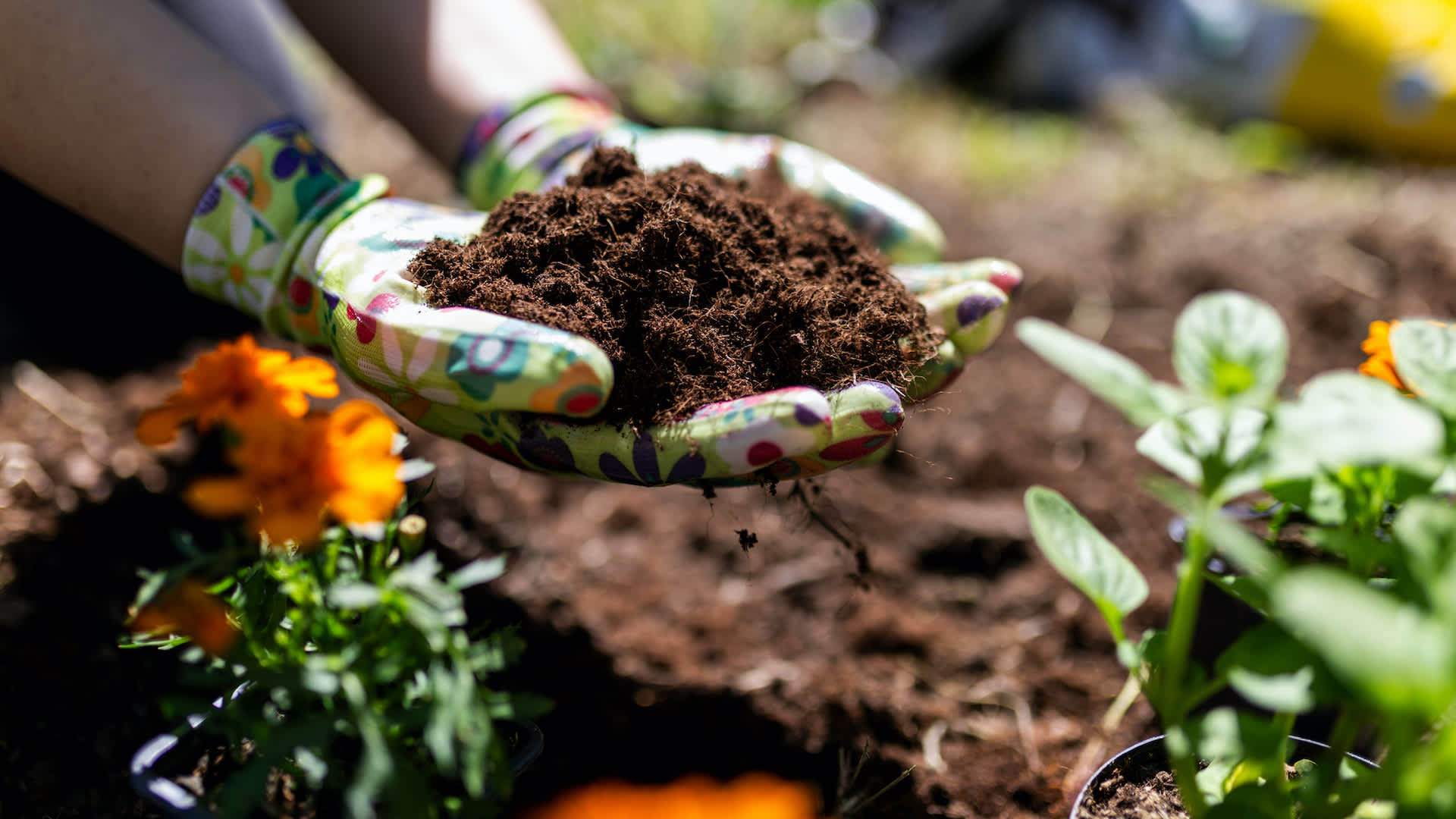
Finished compost is dark, crumbly and smells like earth. Mix it into garden soil, use it as mulch around plants, or add it to pots. It improves soil structure, retains moisture, and reduces the need for chemical fertilisers. Composting is a simple habit every household can start today alongside sorting recyclables for collection.
Sources and references
This article is based on the following sources. We encourage you to read them for more detail.
- What a Waste 2.0: A Global Snapshot of Solid Waste Management to 2050World Bank
- Composting for sustainable agricultureFood and Agriculture Organisation (FAO)
- Home composting guideUS Environmental Protection Agency
Want to take action?
Request a pickup, partner with us, or get in touch - we would love to hear from you.
Related articles
All articles Tips
TipsHow to sort your plastic at home: a practical guide for Ghana
Not all plastic is the same. Learn the difference between PET, HDPE and LDPE, and how to sort them so they actually get recycled.
 Education
Why burning plastic is not the answer: health and environmental impacts
Many households burn plastic to get rid of it. Here is what that smoke does to your health and the environment, and what to do instead.
 Education
Plastic pollution in Ghana: 7 facts you should know
How much plastic does Ghana produce? Where does it end up? We break down the numbers behind the country's plastic waste challenge.