5 myths about recycling in Ghana, debunked
There are many misconceptions about recycling in Ghana. These myths can discourage people from participating, even when they want to do the right thing. Let us address five of the most common ones.
Myth 1: Recycling does not actually happen in Ghana
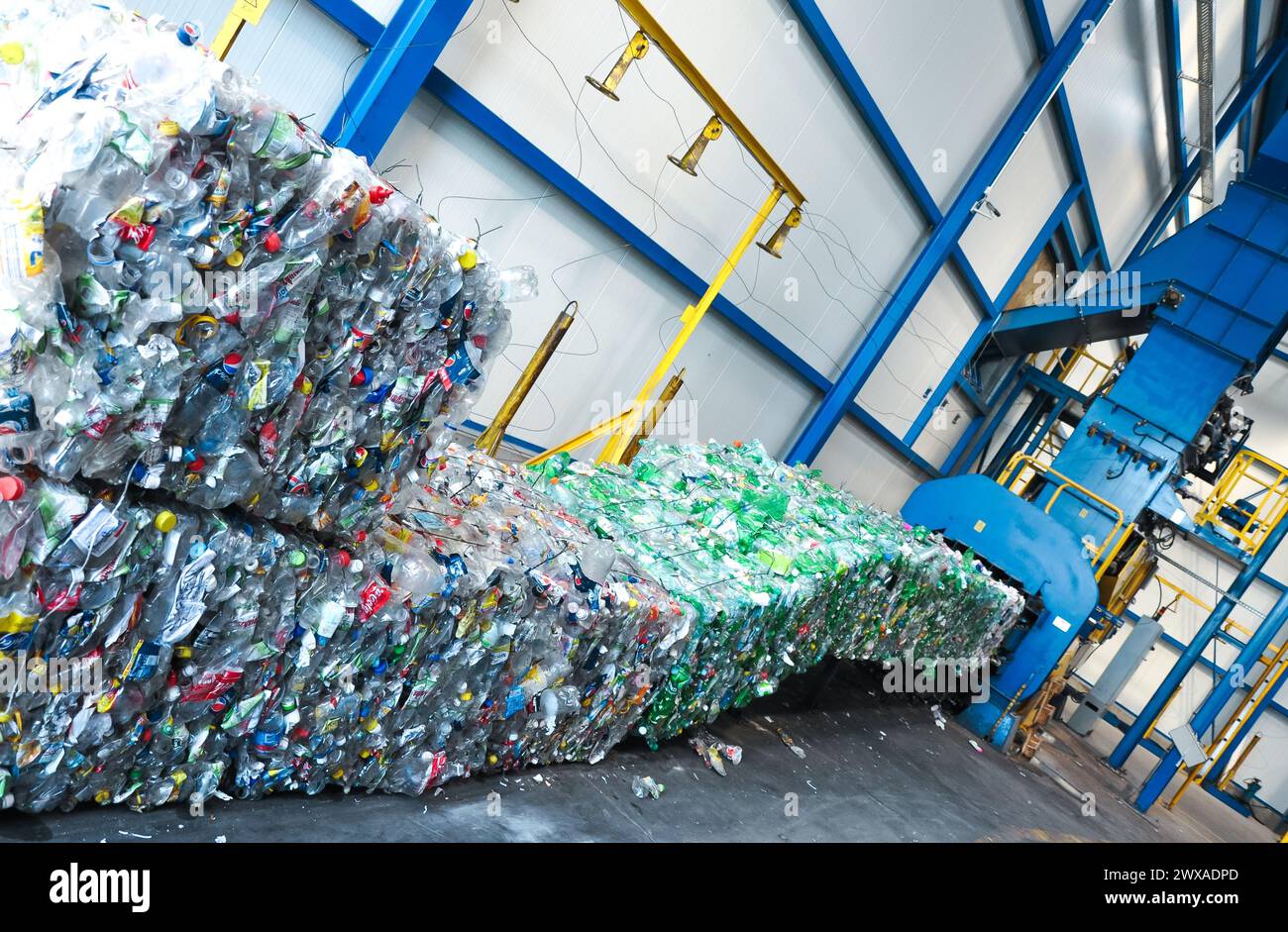
This is the most common misconception. In reality, properly sorted plastic has real value to recyclers. Ghana has several plastic recycling companies that process PET, HDPE and other plastics into pellets, which are then used to make new products. WasteCure channels collected plastic to these off-takers. The key is sorting: mixed, dirty plastic is hard to recycle; clean, sorted plastic is in demand.
Myth 2: One person's recycling will not matter
It does. A single household can divert hundreds of bottles per month. Multiplied across a community, the impact is enormous. According to the EPA, recycling one tonne of plastic saves approximately 5,774 kWh of energy, 16.3 barrels of oil, and 30 cubic yards of landfill space. Every kilogram counts.
Myth 3: Rinsing plastic is a waste of water
A quick rinse with used water is enough. Clean plastic is far more likely to be accepted by recyclers, so this small step makes the whole system work. You do not need to use fresh drinking water; the water from washing dishes or vegetables works fine.
Myth 4: All plastic is the same
It is not. PET (code 1), HDPE (code 2), and LDPE (code 4) are processed differently, which is why sorting matters. Mixing them reduces their value and recyclability. This is why WasteCure asks households to sort by type. The resin code is stamped on the bottom of most plastic containers.
Myth 5: Recycling is the only solution
Recycling is important, but reducing and reusing come first. The less plastic we use in the first place, the less we need to recycle. The waste hierarchy, as defined by the EU Waste Framework Directive, prioritises prevention, then reuse, then recycling, then recovery, and finally disposal. WasteCure promotes all three: reduce, reuse, recycle.
Sources and references
This article is based on the following sources. We encourage you to read them for more detail.
- Recycling facts and figuresUS Environmental Protection Agency
- Ghana's plastic recycling industryGhanaWeb
- Waste Framework DirectiveEuropean Commission
Want to take action?
Request a pickup, partner with us, or get in touch - we would love to hear from you.
Related articles
All articles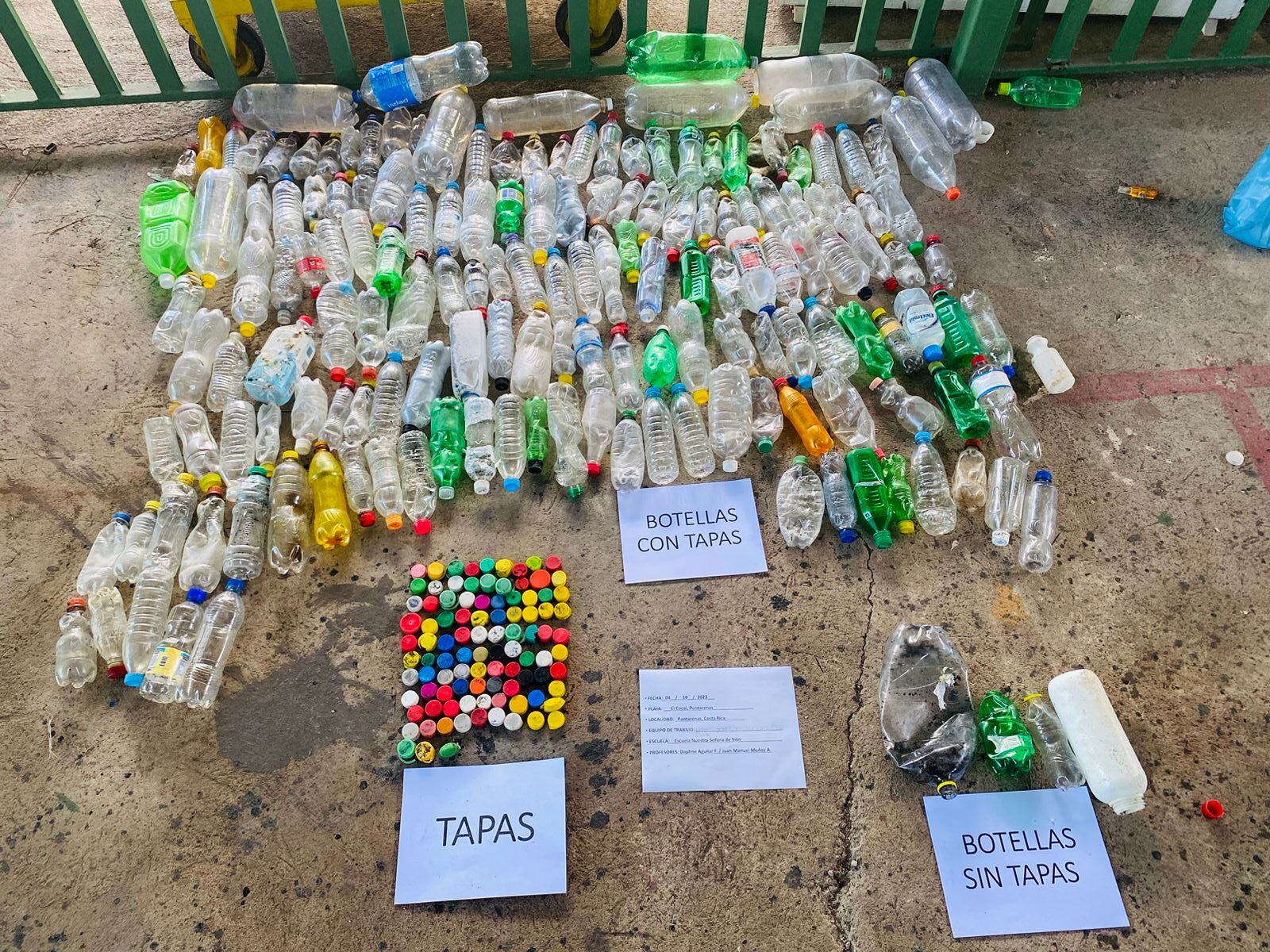 Tips
TipsHow to sort your plastic at home: a practical guide for Ghana
Not all plastic is the same. Learn the difference between PET, HDPE and LDPE, and how to sort them so they actually get recycled.
 Education
Why burning plastic is not the answer: health and environmental impacts
Many households burn plastic to get rid of it. Here is what that smoke does to your health and the environment, and what to do instead.
 Education
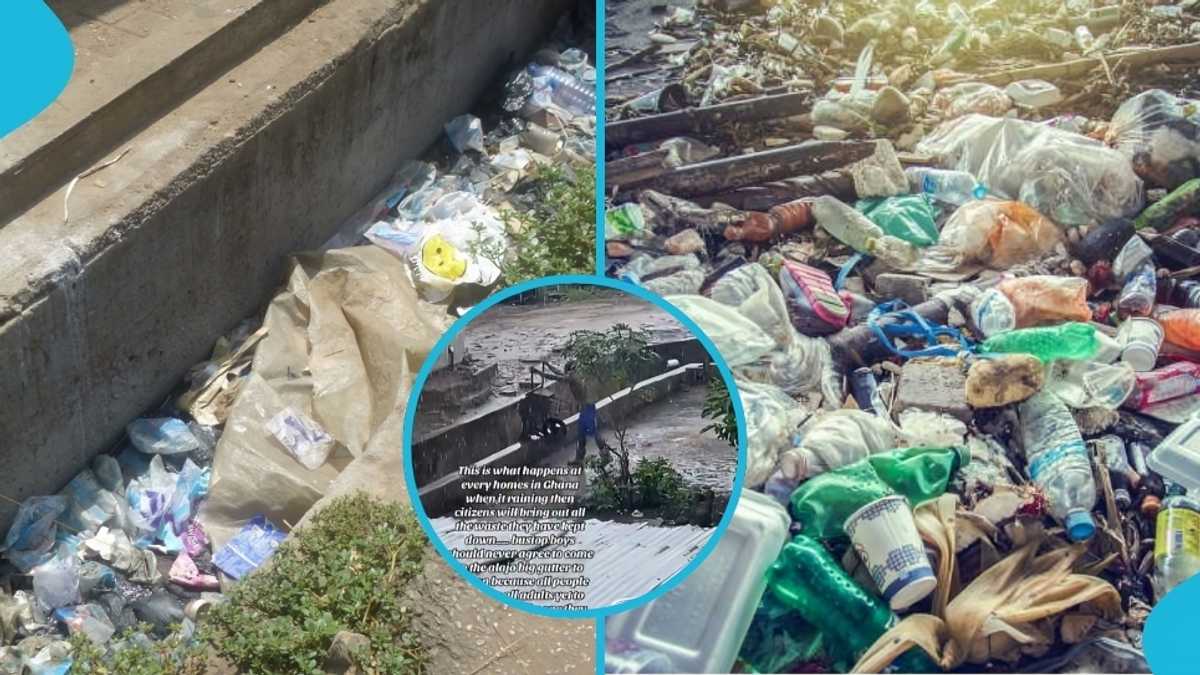
Plastic pollution in Ghana: 7 facts you should know
How much plastic does Ghana produce? Where does it end up? We break down the numbers behind the country's plastic waste challenge.