Waste management consultancy: what it is, and does your business need one?
Most organisations only think about waste management when something goes wrong - an overflowing bin area, a complaint from neighbours, or a surprise cost from an informal collector. A waste management consultancy exists to get ahead of that, by helping institutions design a waste system that actually fits how they operate.
What a waste audit actually involves
The starting point for most consultancy engagements is a waste audit: understanding what an organisation throws away, how much, and where it currently goes. This typically means observing bin areas over a period, categorising waste streams (general, recyclable, organic), and identifying where volumes could be reduced or diverted. The Ghana Environmental Protection Agency's guidance for institutions recommends this kind of baseline assessment before any new waste policy is introduced.
Signs your organisation could use one
A few common indicators: your waste collection costs keep rising without a clear reason; staff, tenants or students are unsure where different types of waste should go; you are being asked about your environmental practices by clients, regulators or a landlord; or you simply have never had a documented waste management plan. Any one of these is a reasonable trigger to bring in outside advice.
What good advice looks like
A useful consultancy engagement should leave you with something concrete: a waste segregation plan, a realistic collection schedule, staff or student training materials, and - where relevant - guidance on the by-laws that apply in your municipality. International frameworks like ISO 14001 for environmental management systems offer a helpful structure for larger institutions, even where full certification is not the goal.
How WasteCure approaches it
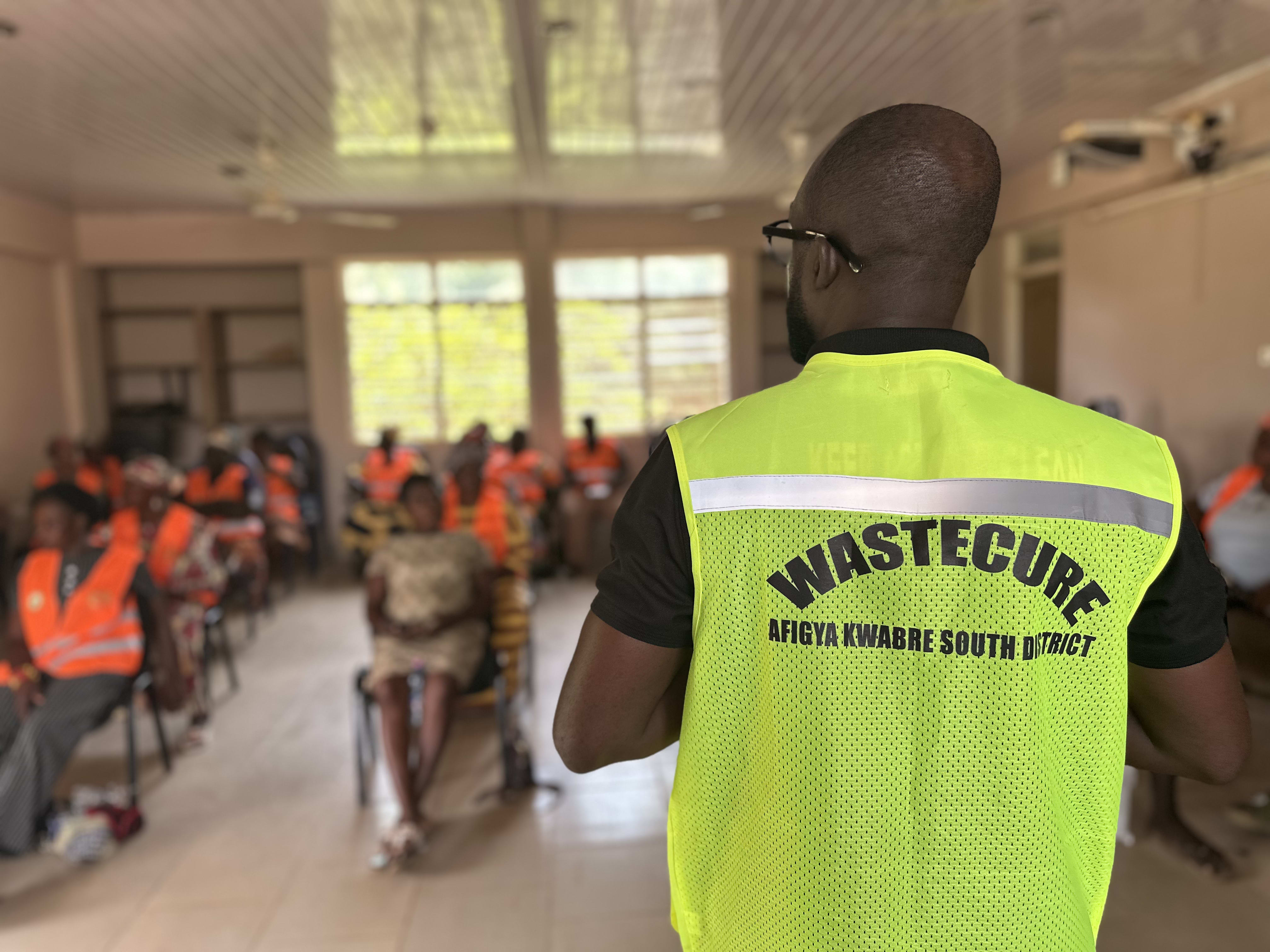
We work with schools, churches, businesses and residential communities across the Ashanti Region to design waste management and recycling programmes that are realistic to maintain - not just impressive on paper. That often means pairing a waste audit with our existing collection and cleaning services, so the plan we recommend is one we can also help deliver. If you think your organisation is due for a look, reach out through our Contact page.
Sources and references
This article is based on the following sources. We encourage you to read them for more detail.
- Guidelines for institutional waste managementEnvironmental Protection Agency, Ghana
- ISO 14001 Environmental Management SystemsInternational Organization for Standardization (ISO)
- What a Waste 2.0: A Global Snapshot of Solid Waste Management to 2050World Bank
Want to take action?
Request a pickup, partner with us, or get in touch - we would love to hear from you.
Related articles
All articles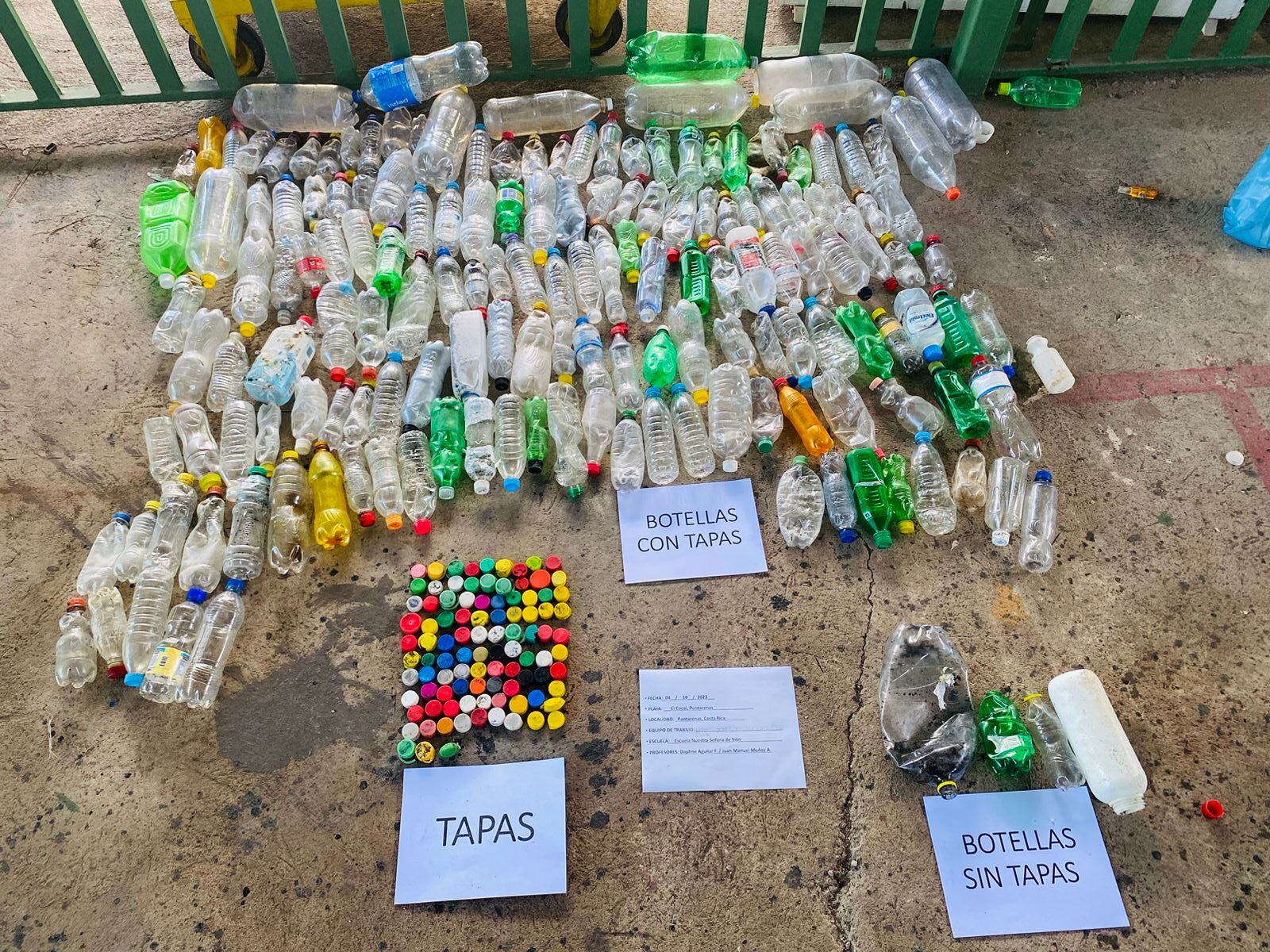 Tips
TipsHow to sort your plastic at home: a practical guide for Ghana
Not all plastic is the same. Learn the difference between PET, HDPE and LDPE, and how to sort them so they actually get recycled.
 Education
Why burning plastic is not the answer: health and environmental impacts
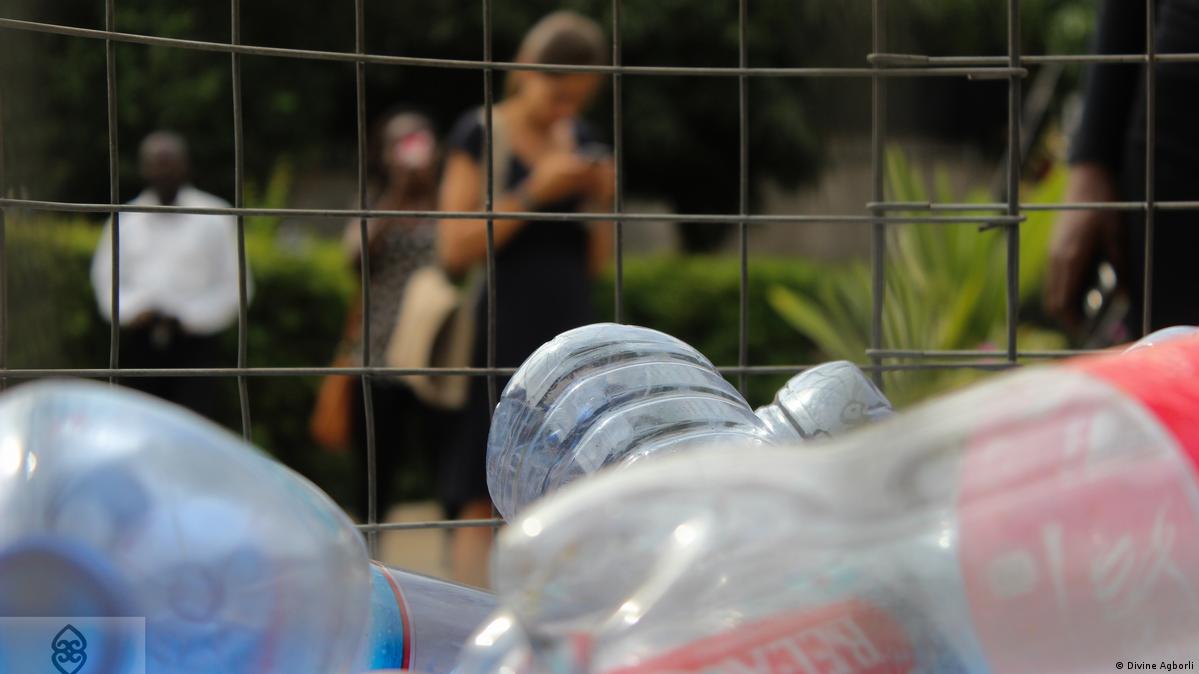
Many households burn plastic to get rid of it. Here is what that smoke does to your health and the environment, and what to do instead.
 Education
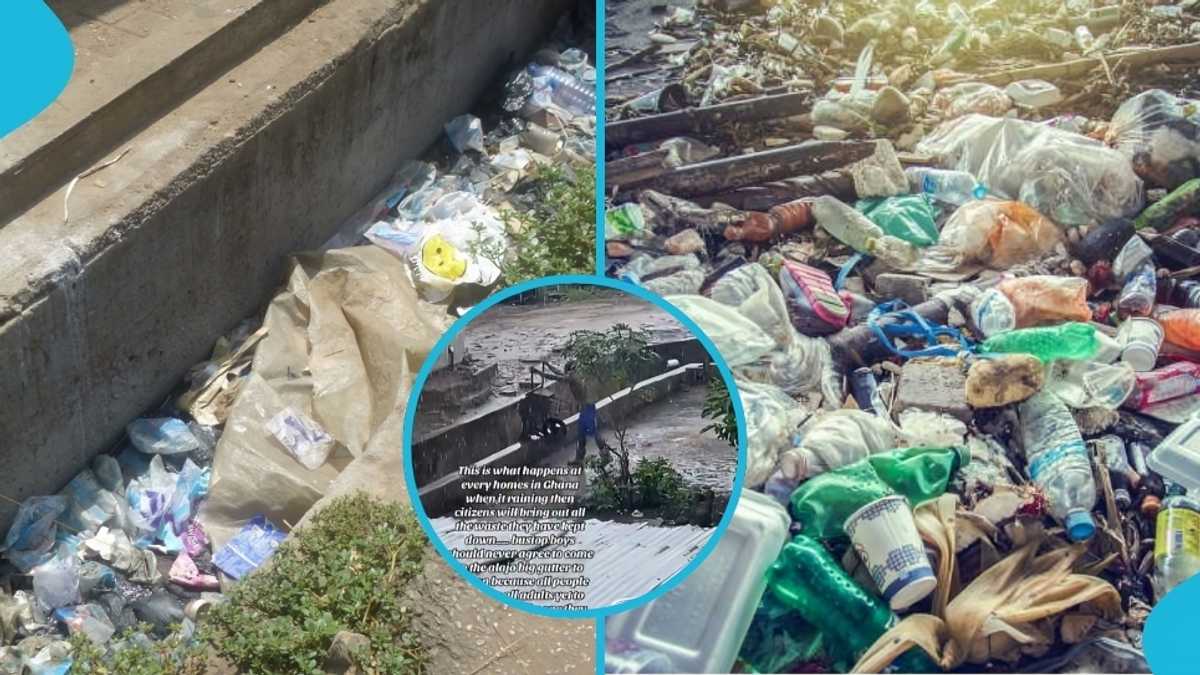
Plastic pollution in Ghana: 7 facts you should know
How much plastic does Ghana produce? Where does it end up? We break down the numbers behind the country's plastic waste challenge.