Why Ghanaian cities keep flooding: the hidden waste connection
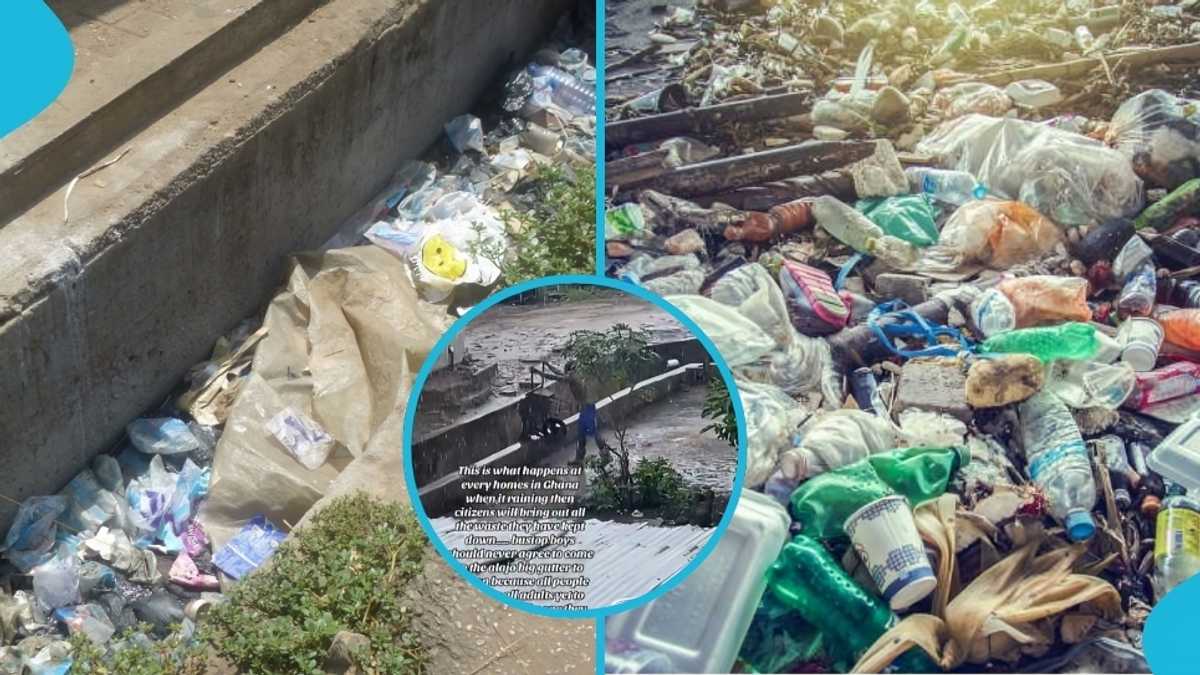
Almost every rainy season, towns and cities across Ghana experience flash flooding - streets turned to rivers, homes and shops damaged, and in the worst cases, lives lost. Heavy rainfall is the trigger, but it is rarely the whole story. In most urban flooding events, blocked drains carrying solid waste are a major contributing factor.
How waste causes flooding
Drainage systems in Ghanaian towns are designed to channel rainwater away quickly. When plastic bags, bottles, food waste and other rubbish are dumped into gutters and drains instead of being collected, that water has nowhere to go. The Ghana National Disaster Management Organisation (NADMO) has repeatedly linked recurring floods in Accra, Kumasi and other urban centres to solid waste blocking drainage channels, particularly ahead of the rainy season when debris accumulates faster than it is cleared.
The cost is more than inconvenience
Flooding damages homes, destroys goods in markets, disrupts transport, and creates standing water that becomes a breeding ground for mosquitoes and waterborne disease. A World Bank assessment of environmental degradation in Ghana estimated that flooding and poor waste management together account for a significant share of the country's annual environmental and health-related economic losses.
What actually reduces the risk
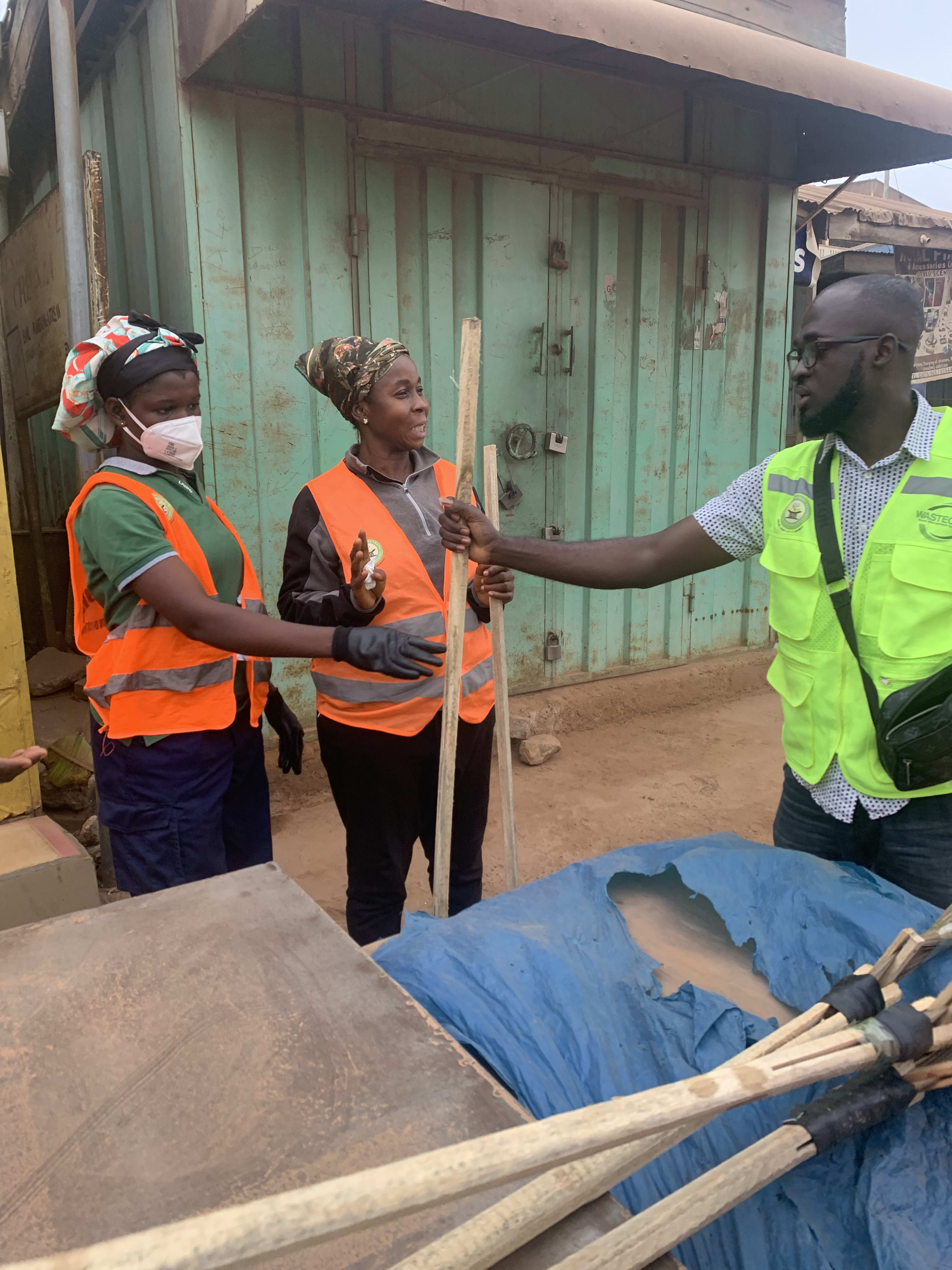
The single most effective thing a community can do is keep waste out of drains in the first place - through regular collection, cleared drainage channels, and public awareness about not dumping into gutters. This is exactly why WasteCure runs scheduled collection routes and community clean-up drives across the Ashanti Region: every skip of waste removed from a roadside or drain is water that will actually flow the next time it rains.
What you can do
If your street, market or estate has a drain that regularly clogs with rubbish, the fix is rarely more concrete - it is consistent collection. Talk to your assembly about drain clearing schedules, and make sure your own household or business waste goes to a collector rather than a gutter. If you would like a regular collection arrangement for your area, get in touch with our team.
Sources and references
This article is based on the following sources. We encourage you to read them for more detail.
- Ghana flood preparedness and responseNational Disaster Management Organisation (NADMO), Ghana
- The cost of environmental degradation in GhanaWorld Bank
- Urban flooding and solid waste management in West AfricaUNEP Africa
Want to take action?
Request a pickup, partner with us, or get in touch - we would love to hear from you.
Related articles
All articles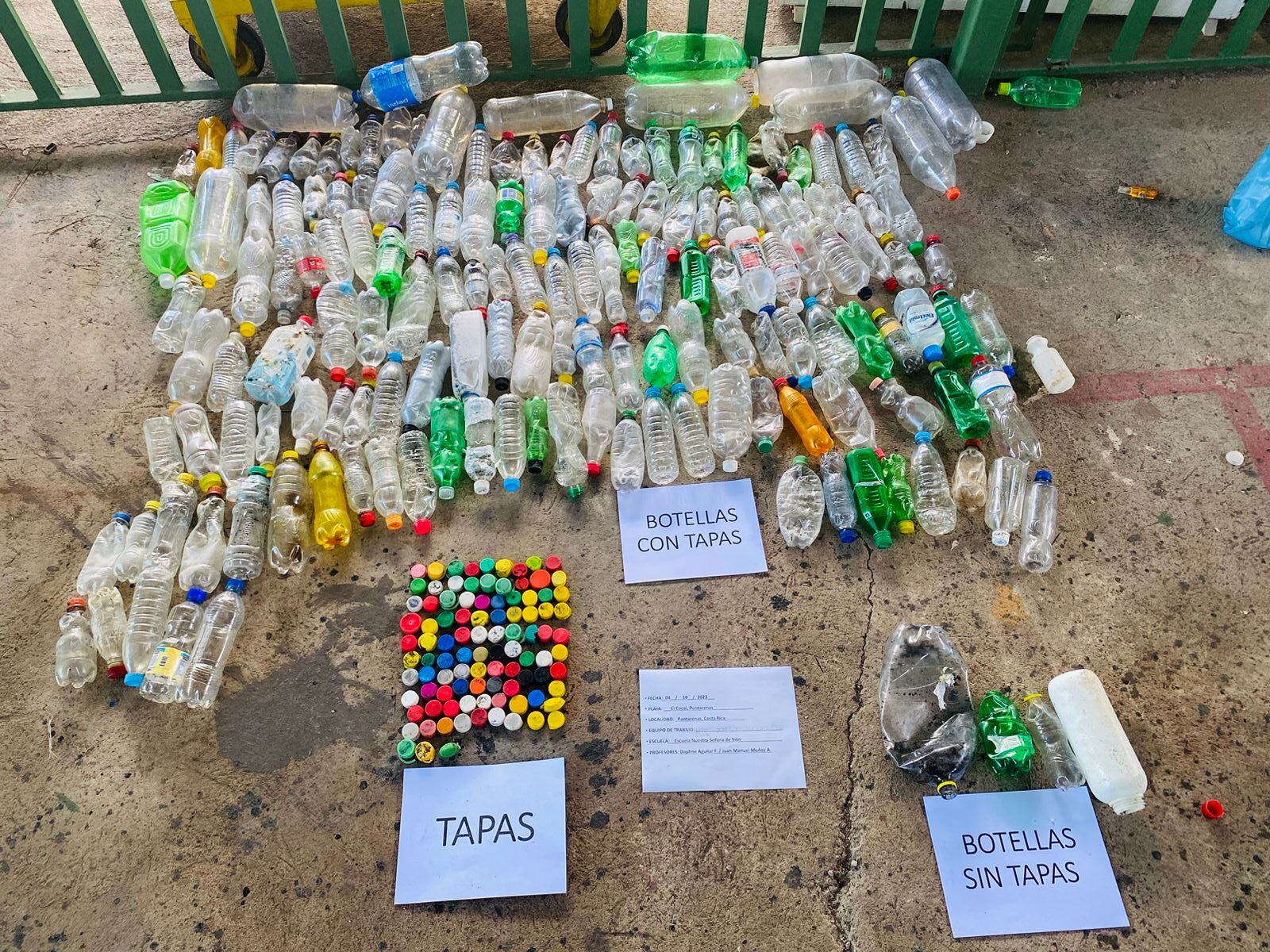 Tips
TipsHow to sort your plastic at home: a practical guide for Ghana
Not all plastic is the same. Learn the difference between PET, HDPE and LDPE, and how to sort them so they actually get recycled.
 Education
Why burning plastic is not the answer: health and environmental impacts
Many households burn plastic to get rid of it. Here is what that smoke does to your health and the environment, and what to do instead.
 Education
Plastic pollution in Ghana: 7 facts you should know
How much plastic does Ghana produce? Where does it end up? We break down the numbers behind the country's plastic waste challenge.